Glixia
Glixia (Achyrocline satureioides), also known as starflower, is a plant closely related to chamomile, which is popular in Poland. Its homeland is South America - especially Brazil, which makes it often referred to as the Brazilian star flower. In its natural environment, it grows in wild areas, fallow lands and wastelands. It is not widespread in Poland. It does not occur in the wild and is not a species cultivated in gardens. Dried glixia, on the other hand, is gaining huge popularity. Its small flowers not only look beautiful in bouquets, but also inspire the creation of other decorative forms.
What does dried Glixia look like?
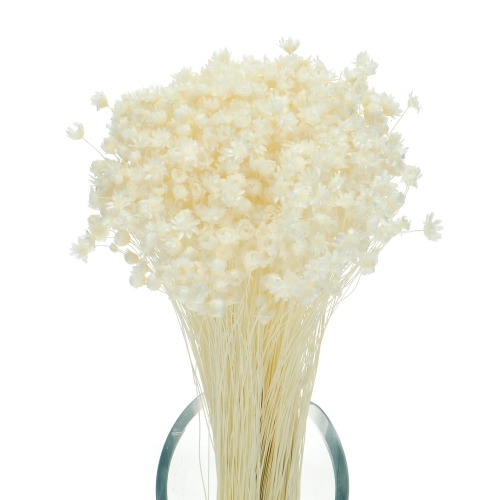
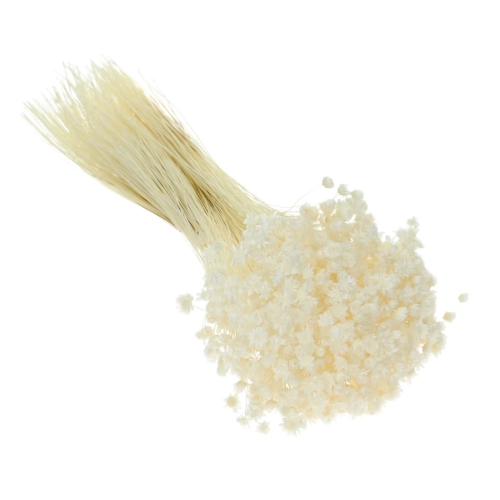
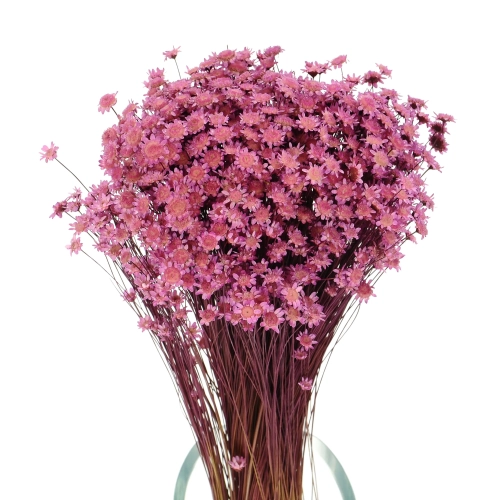
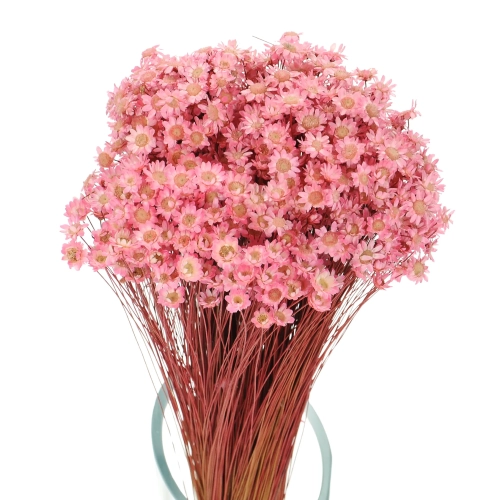
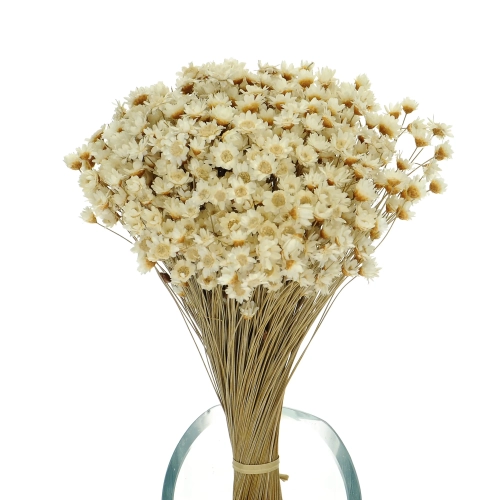
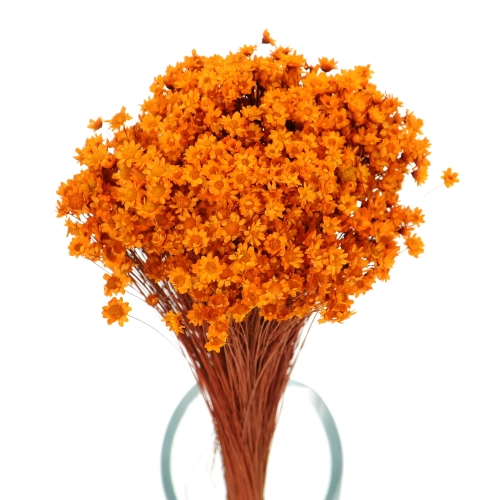
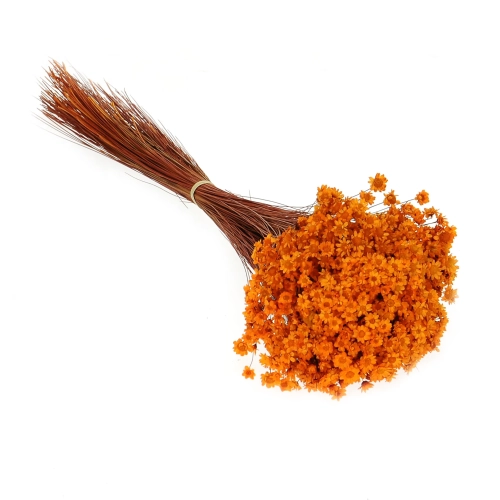
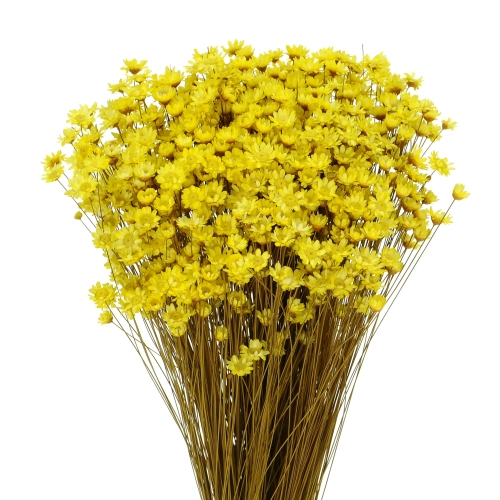
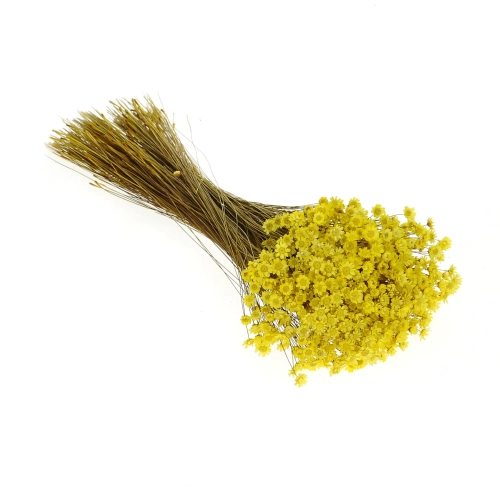
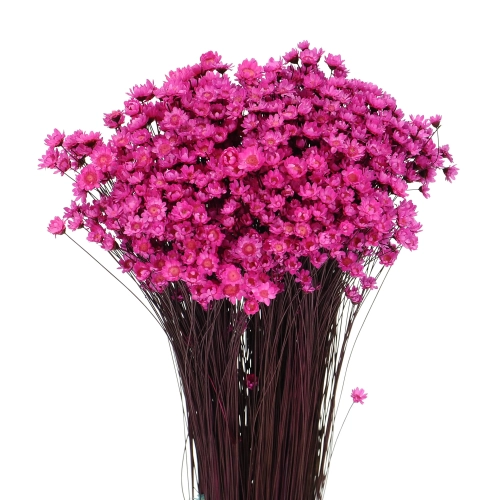
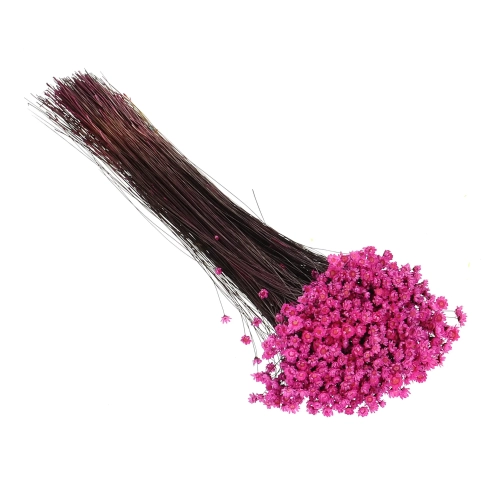
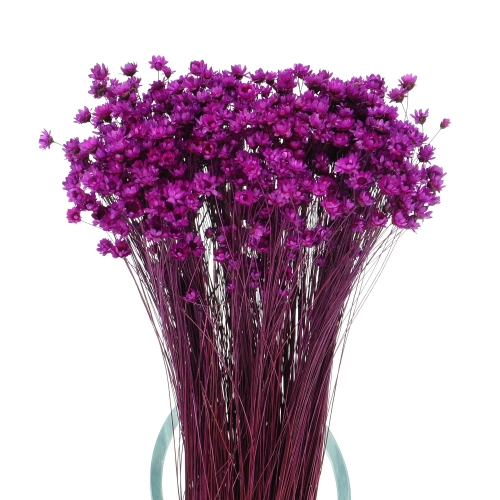
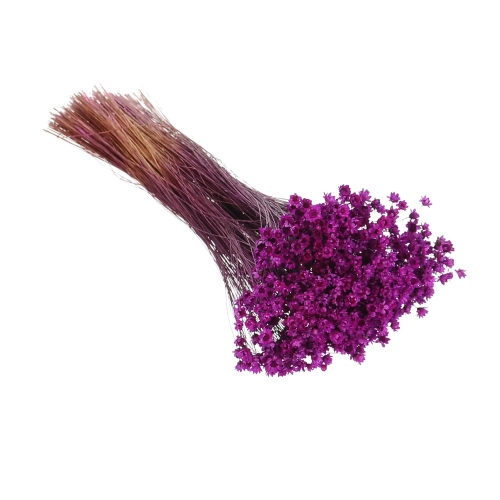
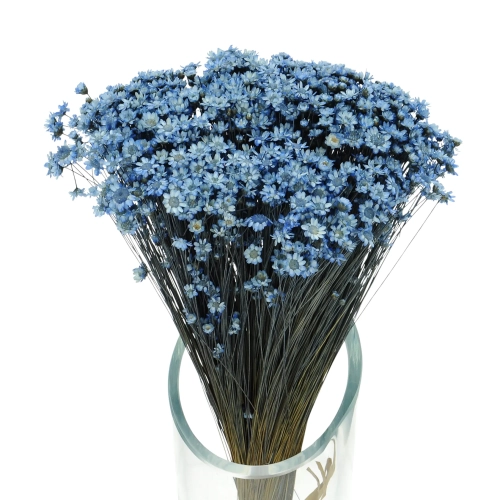
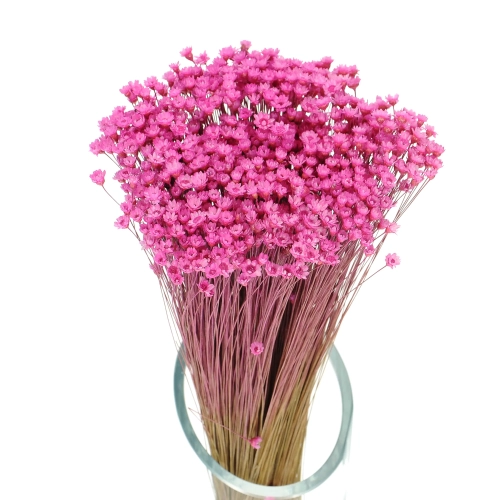
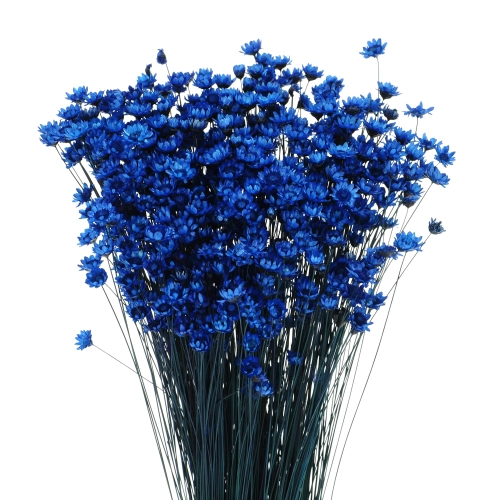
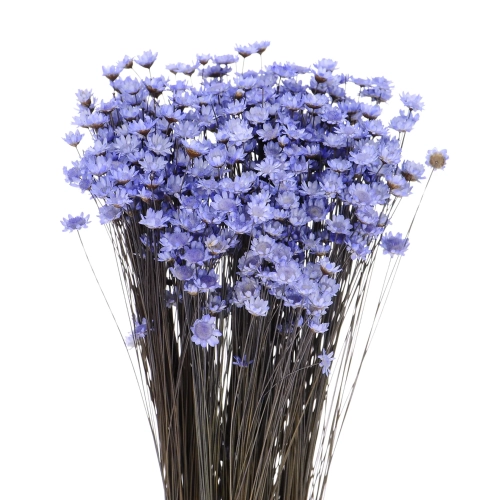
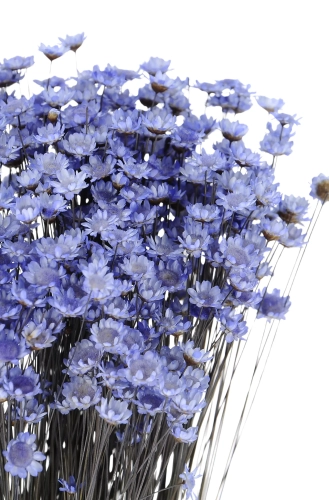
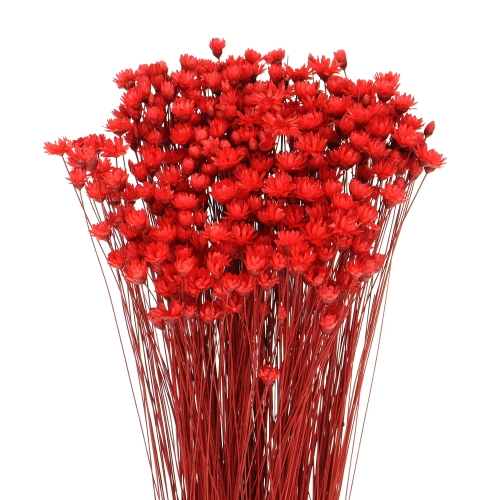
Glixia has small flowers resembling chamomile flowers, but taking on a yellow color. After drying, they gain a slightly creamy shade. They are supported on thin stems, which gives the plant a subtle charm. An interesting fact is that even after 10 years, just one drop of water can make dried marcel flowers close in bud. In turn, after opening, they will look like they are alive, which is why glixia is often referred to as an everlasting plant. The driers can be bleached or dyed. Thanks to this, they take on a wide range of colors, being a fantastic decoration or raw material for creating handicrafts.
Dried Glixia as interior decoration
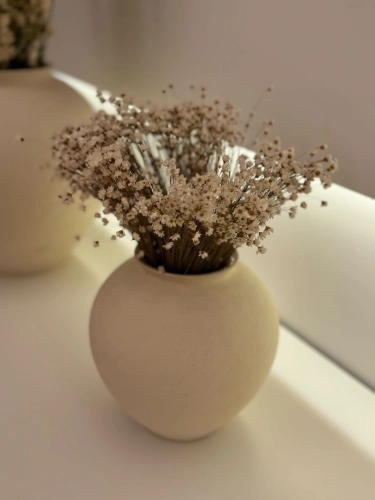
In South America, glixia is a plant used in folk medicine. It is valued above all for its antibacterial properties. Marcela is also used in the treatment of anxiety disorders or mood swings. In Europe, however, dried glixia has gained popularity, which is increasingly used by florists, handicraft enthusiasts or simply people who like interesting interior decorations. Small flowers look fantastic in bouquets, and their richness of colors allows you to match the color of the composition to the style of the interior. Glixia fits perfectly into both warm rustic arrangements and modern spaces. For the latter, flowers in intense colors - violet, fuchsia or dark pink - are an excellent choice. It can decorate rooms for theme parties.
Glixia in combination with other dried flowers
Regardless of the fact that abundant bouquets of dried glixia look great solo, the plant is most often used to complement floral compositions. Its small flowers not only provide a backdrop for other dried flowers, but also make the whole composition light and subtle. Glixia looks excellent in the company of dried plants with small flowers or plants. It can easily be combined with ammobium, botao or helichrysum. It also looks beautiful as a complement to dried linum or nigella. It can also be added to bouquets in which sorghum sprigs or broom blooms. It can also be used as a complement to lavender or physalis. It will also create an interesting combination with lunaria, gypsophilia and ruscus. The small, densely arranged flowers look wonderful in combination with grasses and grains: phalaris, lagurus or briza. These are, of course, only a few of the many possibilities provided by dried glixia, giving a wide scope for experimentation and creating unique compositions.
Dried Glixia for handicrafts
Small dried glixia flowers will be appreciated by lovers of handicrafts, especially those looking for flowers to be embedded in resin. Glixia is perfect for this purpose and allows you to create really interesting decorations - the more that it comes in many colors. It will look great in transparent frames or balls. It can also be used as flowers for jewelry. Used for resin, it will become an excellent material for pendants, earrings or rings. Glixia can also be added to wreaths made of dried plants. It will also work well for creating 3D images made of dried florals. Small dried glixia flowers will effectively fill the spaces between larger flowers of other species. Glixia can also be used to decorate handmade candles.
Where to use dried glixia:
- Bouquets for vases
- Flowers for buttonholes and corsages
- Garlands
- Headpieces
- Macramé dolls and families
- Resin decorations
- Handmade jewellery
- Greeting cards and invitations
- Floral images
Dried Glixia at Blosmi
The tiny flowers of glixia are perfect for drying. It naturally occurs in a light cream color, while in the dried version it can be dyed and bleached. Although one flower of glixia may not make a spectacular impression, everything changes when our eyes see a bouquet consisting of several dozen of its flowers.
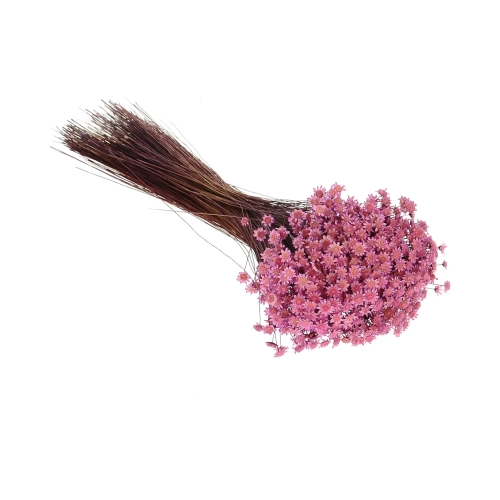
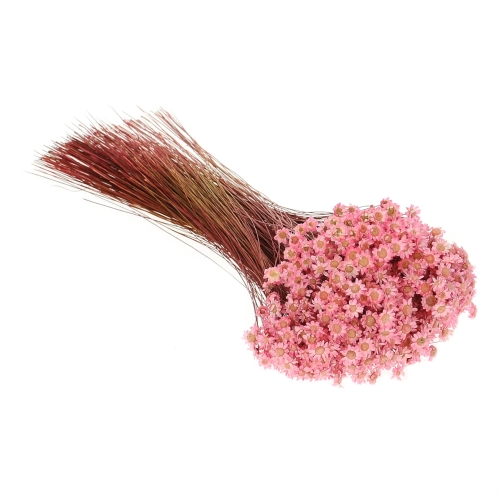
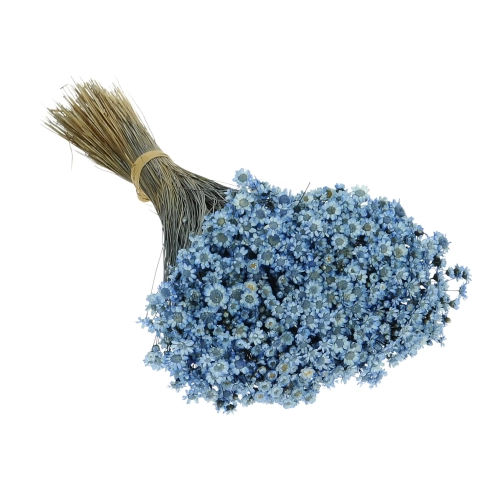
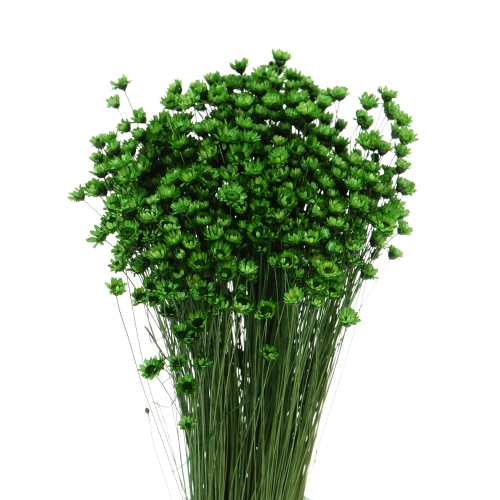
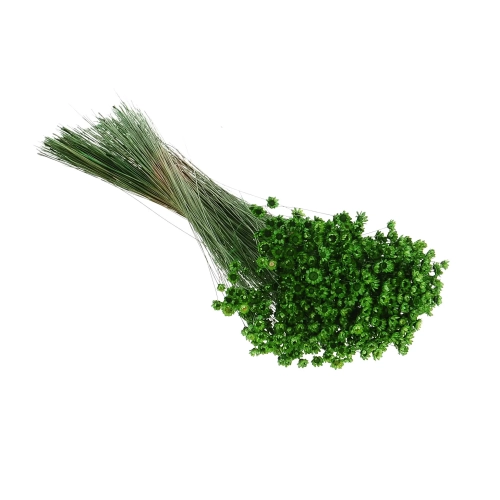
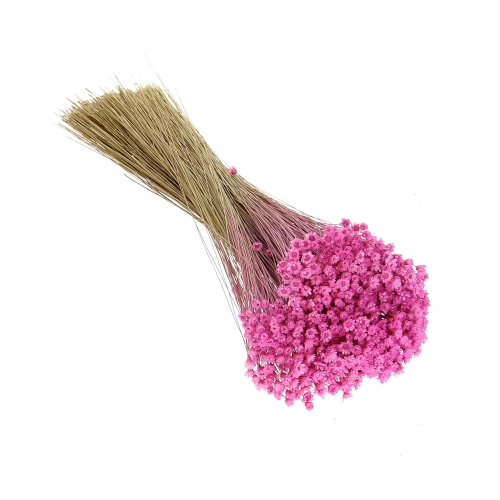
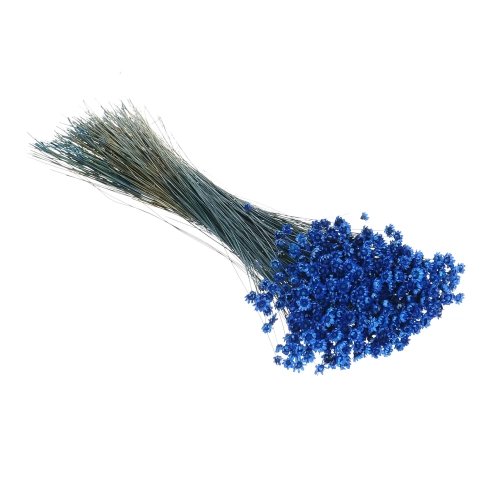
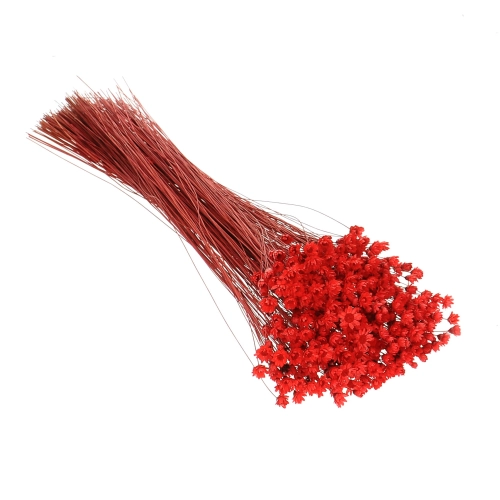
Our range includes both dried glixia in its natural ecru colour and dyed glixia. The plant is available in delicate shades as well as in intense colours, which can provide a strong accent in a floral composition. As a result, dried glixia is perfect for bouquets decorating interiors in a variety of styles. It will fit perfectly into warm and cosy rustic spaces. When dyed in distinctive colours, it is a perfect complement to modern, industrial or even glamour interiors.
Blosmi offers bouquets of dried glixia in various colors: shades of pink, orange, blue, green and purple. Bleached glixia also looks great. Each bouquet contains about 200-300 flowers distinguished by their subtle charm and durability. The dries are carefully protected for transport.