Where does ruscus come from?
Rusucus (Ruscus aculeatus) is also known as butcher's broom. It is found in the Mediterranean and Black Sea regions and in south-eastern Great Britain. It is now widespread in many parts of the world. Butcher's broom is valued as a garden plant and floral decoration. As the name suggests, butcher's broom was once used to effectively repel rodents. It was spread in pantries to prevent mice from eating stored food supplies. This plant is also known in Europe, North Africa, and parts of the United States.
What does ruscus look like?
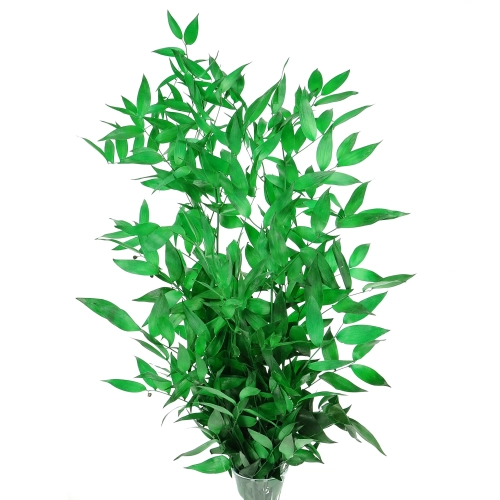
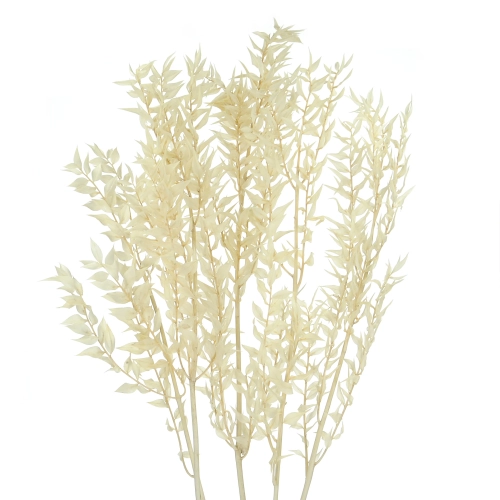
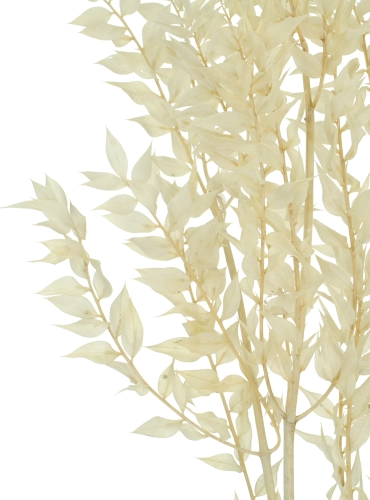
Butcher's broom is an evergreen shrub. The shoots growing from a short rhizome do not exceed 1 meter in height. They are covered with twigs that resemble pointed leaves with a thick epidermis that prevents water loss. Flowers grow in the middle of them, which then turn into fruits. An interesting fact is that the actual leaves are inconspicuous and almost imperceptible. The branched shoots of the plant give it a characteristic appearance and make even single twigs look lush and impressive. They are also suitable for drying – they do not lose their shape and do not shed. For this reason, they are often used in floristry.
Butcher's broom in natural conditions and in cultivation
Under natural conditions, ruscus grows in forests and wasteland, mainly in places where other shrubs grow. It is also found on coastal rocks. The plant likes sunny or slightly shaded locations. It grows best in fertile but well-drained soils. It is partially frost-resistant.
The decorative qualities of ruscus make it widely cultivated for floristry purposes. The Netherlands is the largest European supplier of these plants, although specimens from further afield, such as Israel, can also be found. In Poland, ruscus is not cultivated in the ground or in greenhouses. However, it is becoming increasingly popular as an ornamental pot plant.
What are the benefits of ruscus? Health properties are not everything
Butcher's broom is a plant with many advantages and versatile applications. It is successfully used in cosmetics, cooking, natural medicine, and herbal medicine. In addition, ruscus is used in the production of cosmetics with moisturizing and skin-softening properties. Its rhizome is rich in a number of chemical compounds that are still used in medicine today. These include flavonoids, phytosterols, benzofuran, steroidal saponins, alkaloids, and coumarins. This makes the plant useful in the production of anticoagulant and diuretic drugs. An infusion can also be prepared from ruscus rhizomes. It has been used, among other things, in the treatment of kidney stones, heavy legs, jaundice, and varicose veins. It is also used in cosmetology, mainly in the production of creams.
Dried ruscus in floristry
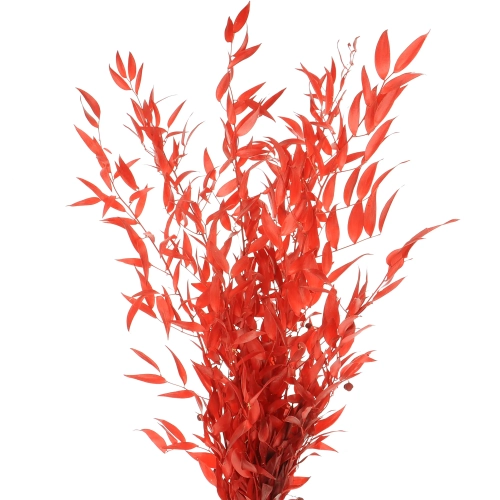
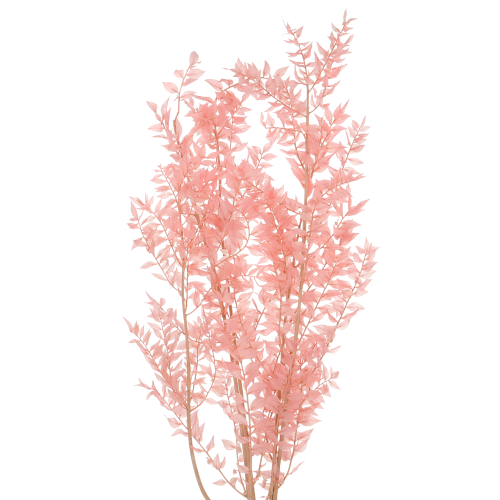
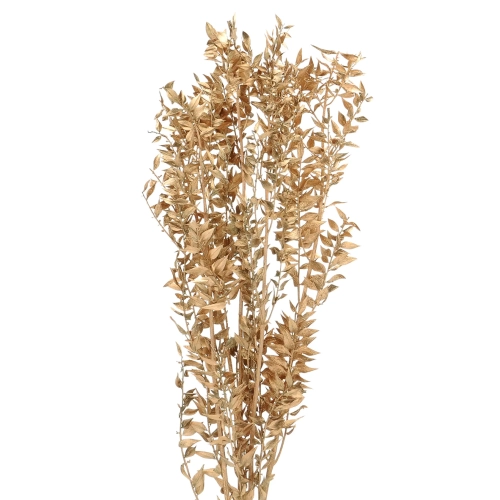
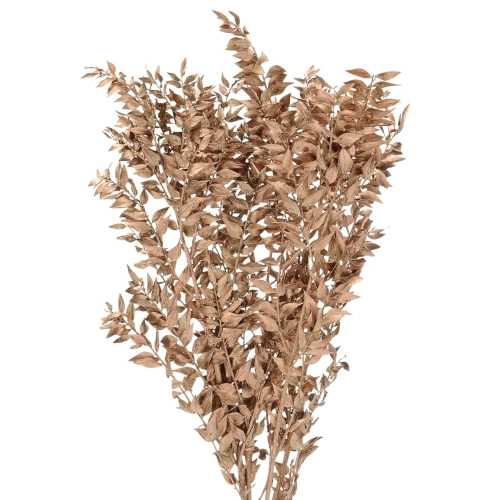
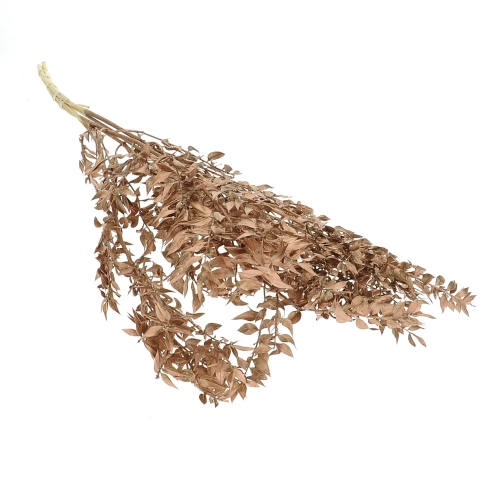
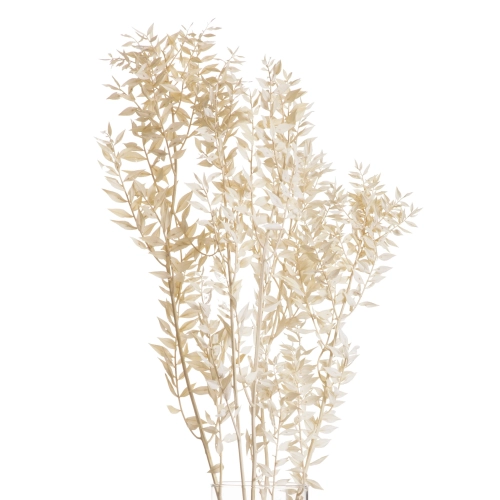
Cut ruscus is one of the most popular green plants used as filler in bouquets and floral arrangements. Dried ruscus is also appreciated by florists and craftspeople. The beautiful, branched shoots of the plant, covered with abundant twigs, make ruscus a wonderful addition to various compositions, adding lightness to them. It is perfect for bouquets of cut flowers and dried flowers. It can be added to special occasion bouquets, including wedding bouquets. As it is available in many colors and in a bleached version, it fits perfectly into both modern and rustic compositions. It goes well with various plants, both native and typically exotic. Dyed gold or silver, it is a beautiful addition to Christmas decorations.
What kind of decorations are dried ruscus suitable for?
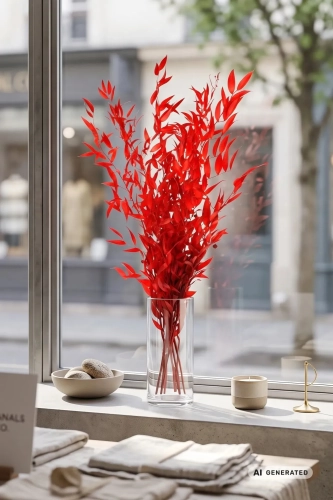
Dried ruscus is a perfect decoration for both bouquets and interior design. In floral arrangements created for occasions such as weddings or photo shoots, ruscus works perfectly, e.g., in combination with other dried plants — cotton, chasmanthium, eucalyptus, or broom bloom. Dried ruscus is also suitable as a single decoration for a vase adorning a living room or as part of a wedding hall decoration. Small, dried leaves, although they often do not need to be accompanied by other plants in a vase, are also suitable for floral arrangements, wreaths, or as a subtle addition to bouquets.
It should be added that dried ruscus is popular among craftspeople. Tiny twigs of the plant look beautiful in macramé. They can also be used to decorate greeting cards or for artistic gift wrapping. The plant is also indispensable for creating wreaths and floral arrangements under glass domes. Dried ruscus, especially in gold, copper, or red, is an excellent base for Christmas decorations. Twigs in shades of green are perfect for Easter.
Ideas for decorations with dried ruscus
- bouquets and special occasion arrangements
- decorations in vases and containers
- door and table wreaths
- decorative arrangements
- macramé accessories
- stationery, invitation, and place card decorations
- resin product and jewelry accessories
- candle decorations
- 3D floral paintings and framed flowers
- photo backdrops
- hanging arrangements and floral clouds
- arrangements under glass domes
- window displays (visual merchandising)
- props for photo shoots
- floral sets and photo shoots
- floral spatial decorations
What dried flowers can be combined with ruscus?
The spreading branches of ruscus look great both on their own and in combination with other dried flowers. The universal character of the plant makes it suitable for almost all flowers available in our offer. So you can confidently combine it with native plants – e.g., helichrysum, acroclinium, delphinium, or typha. It looks beautiful in combination with thistle and limonium. Ruscus also creates harmonious duets with grasses and cereals, including stipa, phalaris, triticale, and timothy grass. There is nothing to prevent you from combining it with exotic species, including dried cotton, preserved eucalyptus, protea, and dried palm leaves.
Dried ruscus at Blosmi
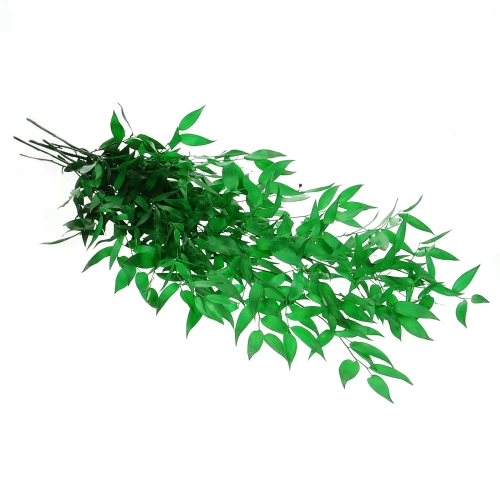
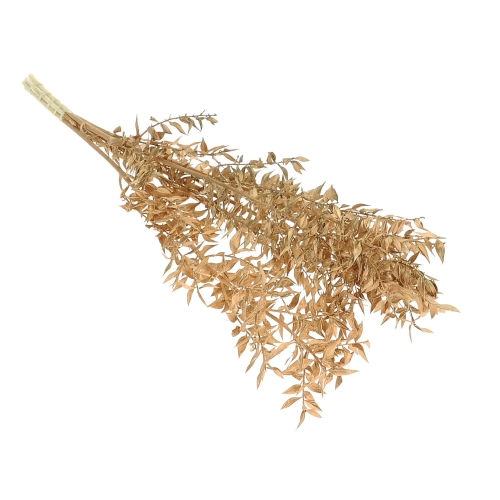
Blosmi offers dried ruscus in a variety of colors. Each bunch contains five sprigs of the plant. As this is a completely natural product, individual shoots may vary slightly in appearance. Their height ranges from 60 to 70 cm. All plants are carefully packaged and secured for transport.