Triticale
Triticale is an annual species belonging to the Poaceae family. It was created as a combination of two grains: wheat and rye. It is the youngest of the grains, bred in the second half of the 20th century. In Poland, the first variety of triticale, called ‘Lasko’, appeared in 1982 and has been the dominant variety in global cultivation ever since. It is worth noting that our country is the largest supplier of triticale in the world. Although the plant is mainly grown for animal feed, it is also widely used in floristry. It is also valued by handicraft enthusiasts. Dried triticale is perfect for bouquets, decorative wreaths and other interior decorations. It is also used to make Easter palms.
What does triticale look like?
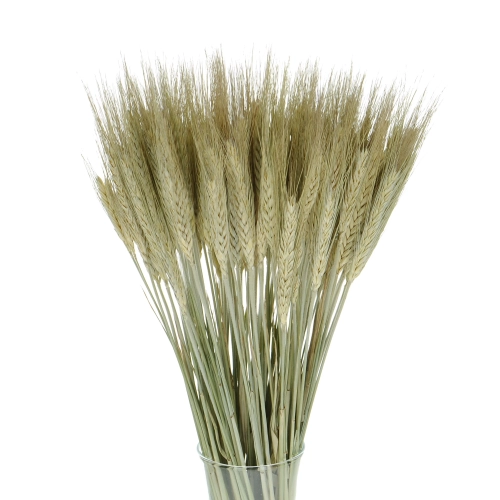
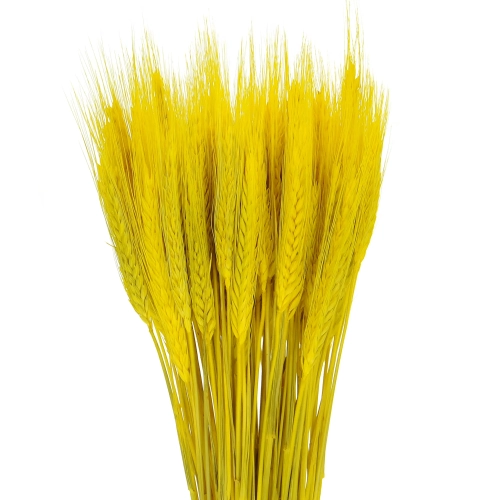
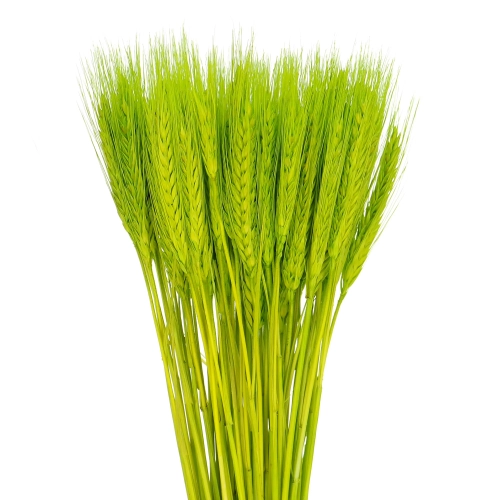
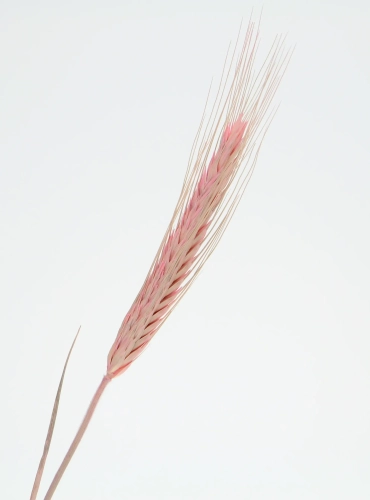
Triticale, like other grains, is distinguished by its stiff stems with handsome ears ending in delicate hairs, giving them a unique appearance. The stems have internodes and reach a height of 70 to 120 cm in grains varieties and 120 to 180 cm in forage varieties. The thickening at the base makes even tall grain shoots resistant to lodging. The species develops narrow, lanceolate leaves that retain their green colour for quite a long time. The fruit of triticale are yellow-brown grains. However, it should be remembered that slightly swollen ears are harvested for drying, in which the husks surrounding the seeds have not yet opened.
Triticale cultivation
Triticale is exclusively a cultivated plant. It does not occur in the wild. It was bred in Europe, although it is now also found in South America and Australia. The plant is valued primarily for its ease of cultivation. It has lower requirements for growing conditions than wheat and at the same time produces better quality grain than rye. It is highly resistant to disease. In Poland, spring triticale crops dominate, although winter varieties are also found.
Triticale grows well in all types of soil. For this reason, it can even be cultivated on nutrient-poor soil. As a long-day species, it produces higher yields with adequate sunlight, and the grains accumulate more sugars and nutrients. Triticale is also highly tolerant to drought. It requires irrigation only during periods of intensive growth. It tolerates temperature drops well.
The use of triticale
Triticale is a plant grown primarily for animal feed. This is mainly due to its ease of cultivation and the richness of nutrients contained in the plant's grains. Research is currently underway on the use of triticale in baking and brewing. However, the specific properties of the grain, which are not compatible with traditional baking and production methods, pose a problem.
Dried triticale in decorations and floristry
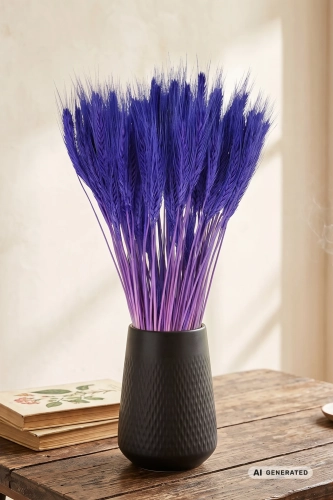
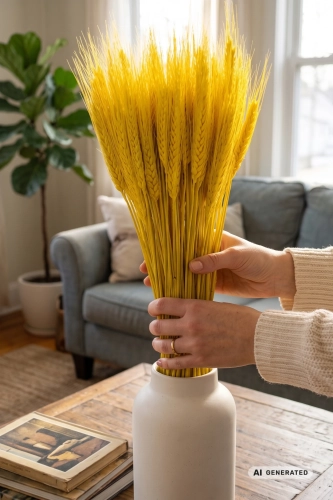
Triticale is also used in floristry. Its full, handsome ears make it an excellent plant for dry bouquets. Its natural colours fit perfectly into rustic arrangements. Bleached or dyed, it is a fantastic decoration for modern spaces – both residential and commercial. Triticale looks great on its own. Placed in a vase or tied with a silk ribbon, it brings a breath of warm, sunny summer. It can also be combined with other types of live or dried plants. Triticale is often used to decorate wedding halls and churches – especially for rustic or slow-style celebrations. In bouquets, triticale can be combined primarily with helichrysum, acroclinium and ammobium. It looks great in combination with lunaria, linum, physalis, mimosa, delphinium or echinops. Triticale ears complement the composition wonderfully and bring lightness to it. They are also perfect for creating decorative wreaths, compositions under glass domes or 3D pictures.
Where to use dried triticale:
- Bouquets for vases
- Hanging arrangements
- Special occasion bouquets – including wedding bouquets
- Boutonnieres and corsages
- Wreaths and garlands
- Decorations
- Photo shoot decorations
- Harvest festival decorations
- Compositions under glass domes
- Macramé decorations
- Occasional cards
- 3D floral paintings
Dried triticale - natural, coloured, bleached
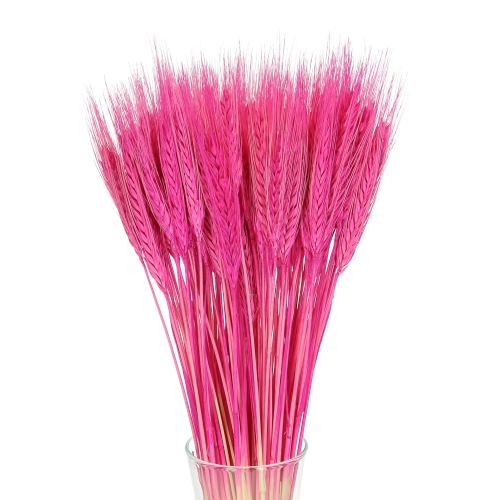
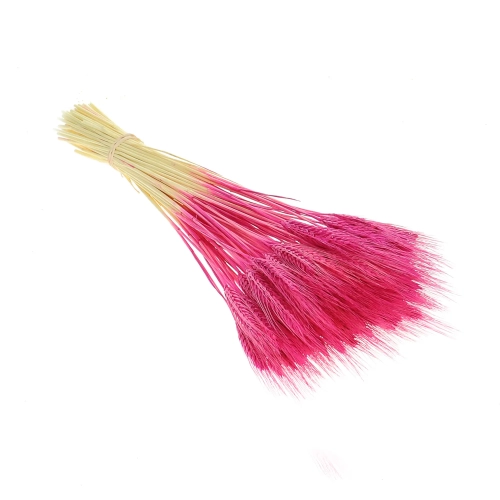
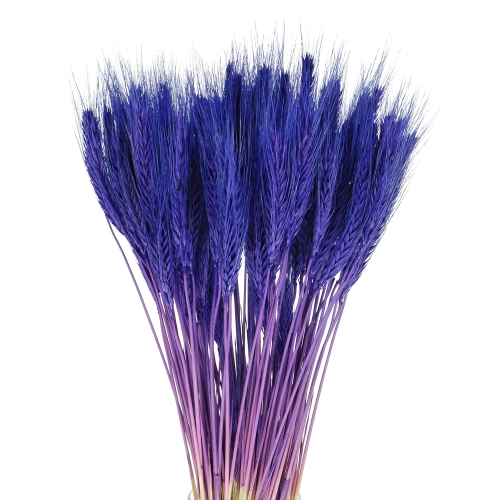
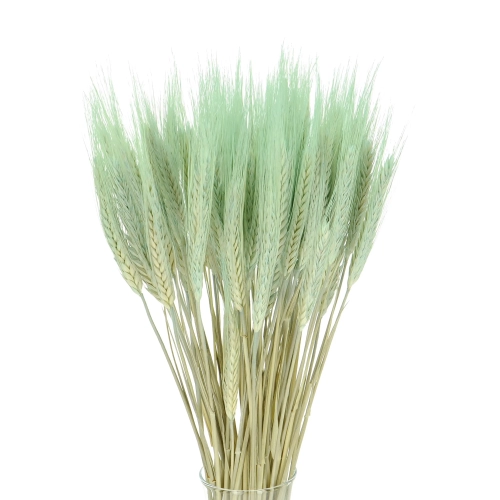
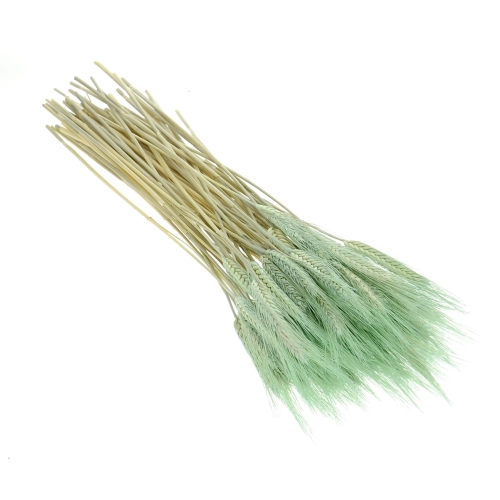
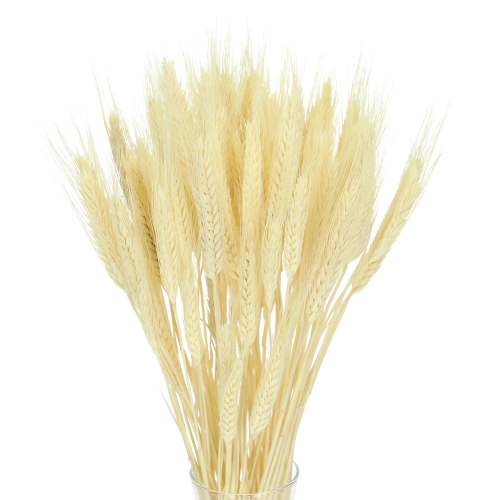
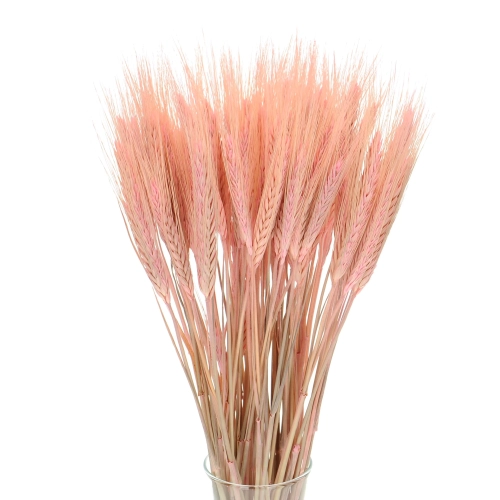
Florists eagerly use both natural-coloured wheatgrass and ears dyed in various colours. Plants in soft, pastel shades, including mint and soft pink, look very original. Also noteworthy is bleached wheatgrass, which is ecru in colour and makes a wonderful addition to various compositions of cut and dried flowers.
Dried triticale for handicrafts
In addition to classic bouquets, triticale can be woven into a wedding bouquet – if the ceremony is rustic in nature. Individual ears of wheat are also perfect for decorating hair or as a boutonniere for the groom. Triticale is also used to make beautiful wreaths, which can then be hung on the wall, in the window or placed on a chest of drawers. Handicraft enthusiasts use ears of wheat to make greeting cards, macramé or creative gift wrapping.
Dried triticale at Blosmi
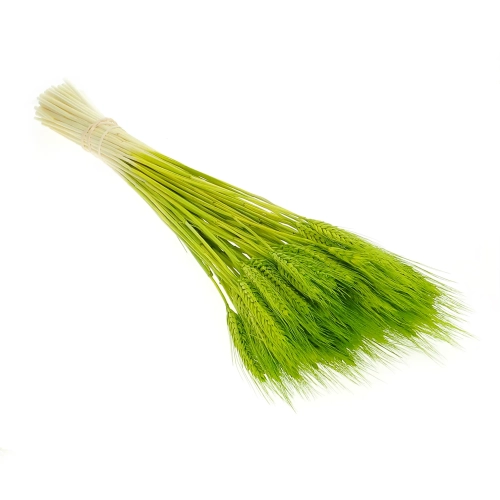
Blosmi offers triticale in its natural colour, bleached or dyed mint, purple or pink. Each bunch contains approximately 60 ears. The stems are 40 to 50 cm tall. The dried flowers are carefully secured for transport.