Eucalyptus
Eucalyptus is a genus of trees or shrubs belonging to the myrtle family. It includes over 700 species that vary in habit, size, leaf shape and flower appearance. In natural conditions, it occurs exclusively in Australia, New Guinea, Indonesia and the Philippines. Eucalyptus is an evergreen plant and the sole food source for koalas. Outside its native environment, it is found in the intertropical zone and in warm temperate areas as an introduced plant, often invasive. In Poland, it is found only in pot cultivation. Preserved eucalyptus is commonly used in floristry to complement decorations made of fresh and dried flowers. It also looks beautiful on its own as a decoration in modern interiors.
What does eucalyptus look like?
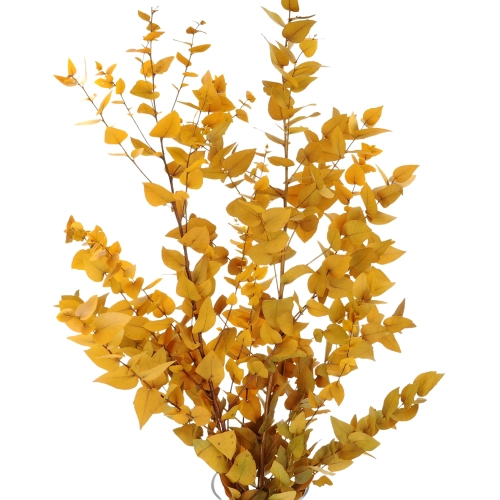
The appearance of eucalyptus is difficult to define due to the abundance of varieties within the species. While some plants are distinguished by their spreading, bushy habit, others grow vigorously upwards, ranking among the tallest trees in the world. In this category, they are second only to redwoods. The diversity also extends to the appearance of the leaves, both in terms of shape and colour. Eucalyptus can take on various colours – from grey, through intense green and light blue, to red. It is worth noting that the leaves of all varieties are thick and leathery. Their characteristic feature is the presence of essential oils that give off a fresh, menthol scent.
Preserved eucalyptus - varieties
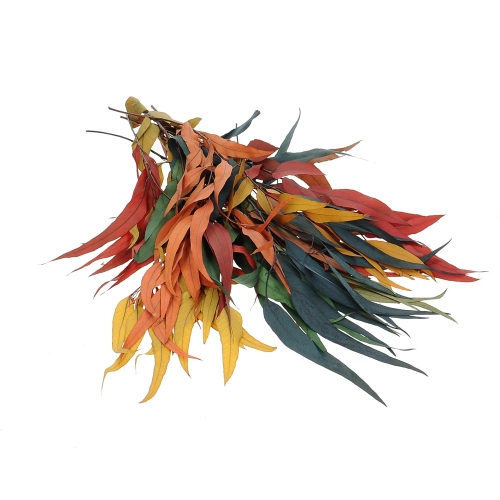
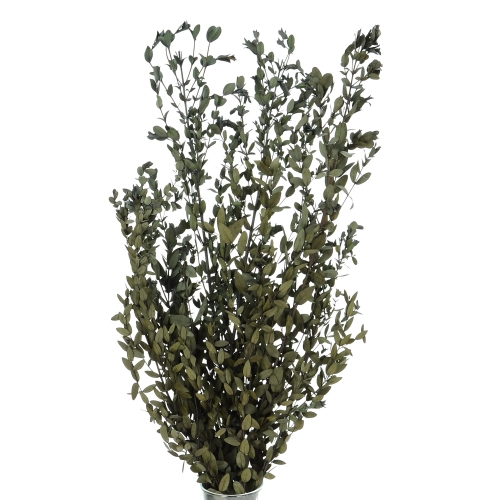
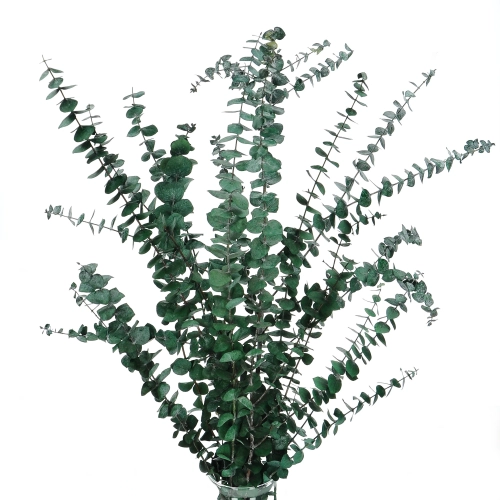
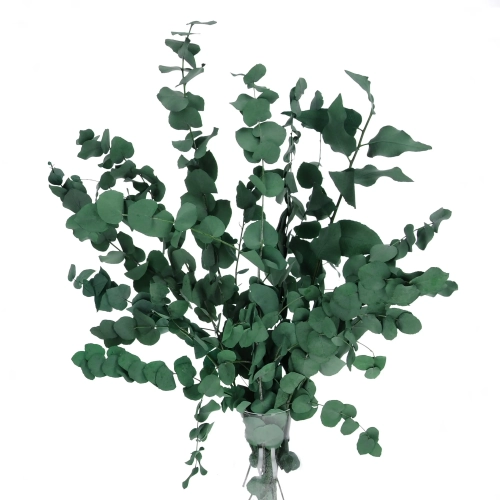
Preserved eucalyptus is available in a variety of types that differ in appearance. This means you can choose from plants with elliptical, round or lanceolate leaves. All of them come from European plantations and are thoroughly checked by us for quality. The abundant bunches allow you to create a variety of floral arrangements. This is all the more important because preserved eucalyptus is extremely versatile. It suits different interior styles and is suitable for a variety of occasions. It looks good in combination with dried flowers and cut flowers.
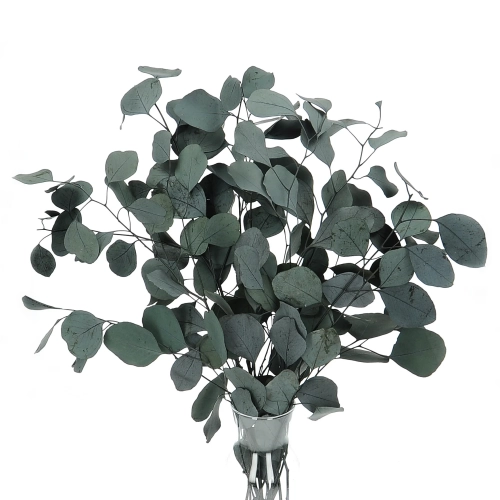
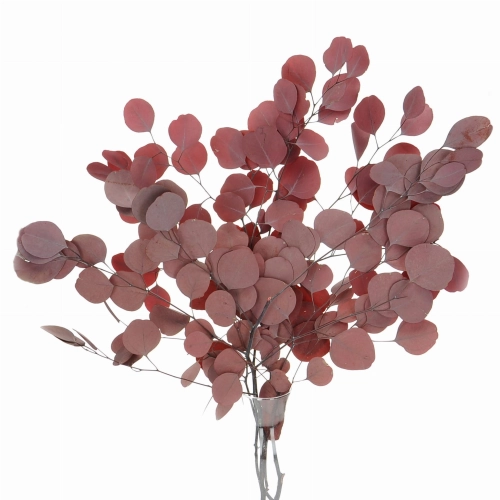
- Eucalyptus populus is available in green and red. Its leaves are flat, oval or oblong in shape and arranged oppositely on the branch
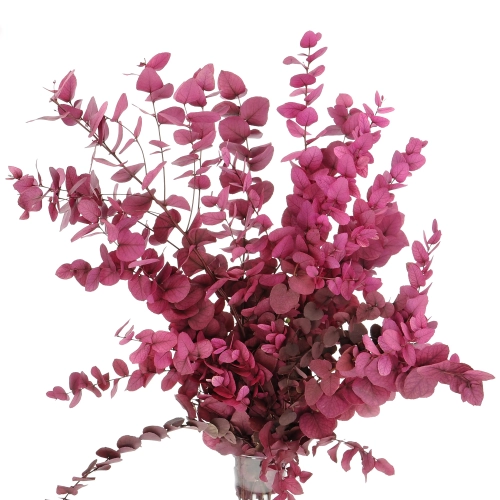
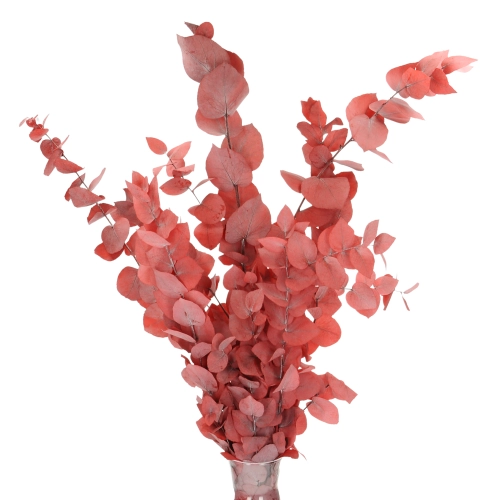
- Eucalyptus stuartiana has oval green or pink leaves, arranged fairly flat around the branches.
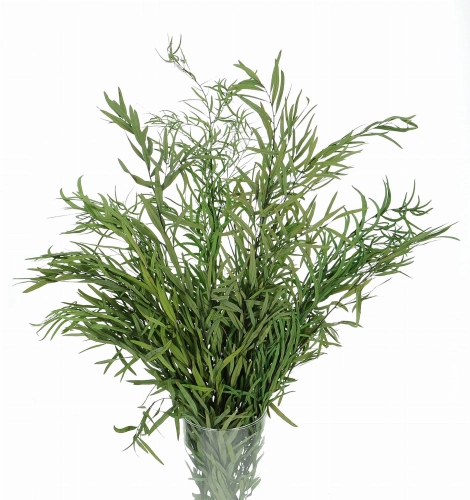
- Eucalyptus nicoly has elongated, lanceolate leaves densely arranged on the shoots.
- Eucalyptus baby is distinguished by its small, round leaves that protrude from the twigs and are arranged gradually on different sides.
- Eucalyptus parvifoglia has the smallest leaves, which are dark green and elongated in shape.
Eucalyptus in natural conditions and in pot cultivation
Eucalyptus grows naturally in tropical areas. Shrub species inhabit thickets, xerophytic areas and sunny mountain slopes. Tree-like varieties, on the other hand, are found in areas with abundant rainfall. Eucalyptus is found not only in the wild, but also as a cultivated plant from which wood and essential oils are obtained.
In Poland, eucalyptus is only found as a pot plant. The specific requirements of the plant make it unsuitable for cultivation in the ground. Caring for eucalyptus can be a little tricky, mainly because the plant requires high air humidity, which is a problem especially in winter when rooms are heated. It is then necessary to regularly spray the leaves of the eucalyptus tree. Another important aspect is maintaining adequate soil moisture. Soil that is too dry causes the eucalyptus tree to dry out, while soil that is too wet leads to root rot and the death of the plant. The soil should be light and well-drained – preferably with the addition of perlite. It is also necessary to cover the bottom of the pot with expanded clay, which allows for proper water drainage. Eucalyptus grows best in alkaline soil. It is worth ensuring a sunny location. It is also important to remember to prune the eucalyptus shoots regularly, so that the plant will branch out beautifully. In summer, you can put it on the balcony or terrace, but remember to bring it indoors when the temperature drops. Eucalyptus grown in a pot can reach a height of about 1.5 metres. For comparison, eucalyptus trees in natural conditions can reach a height of up to 100 metres.
The use of eucalyptus
Since growing eucalyptus requires skill and experience, it is rarely found in pots. However, this does not change the fact that interior designers and florists value it for its unique charm. For this reason, dried eucalyptus is extremely popular and commonly used in bouquets and flower wreaths or on its own as an interior decoration, including in modern interiors. Among dried plants, preserved eucalyptus, which has undergone a special preservation process, is the most common. Thanks to this, eucalyptus twigs remain flexible, more malleable and retain the appearance of a fresh plant for a long time. They are also resistant to crumbling and breaking. In this way, they perfectly complement both live and dried flowers. They provide endless decorative inspiration for professional florists and amateurs looking for interesting ideas for interior decoration.
However, this is not the end of eucalyptus applications. It is widely known that this plant has been valued for centuries for its medicinal properties. The essential oil extracted from it is widely used in the pharmaceutical industry. It is mainly used for inhalation in respiratory diseases. Eucalyptus ointment, on the other hand, is recommended for skin and joint problems. The oil is often an ingredient in toothpastes. Its properties allow it to easily remove plaque, and its menthol aroma is excellent for freshening breath. The intense scent of eucalyptus oil means that it is added to a variety of cosmetics and detergents and used in the perfume industry.
In areas where eucalyptus grows naturally, its wood is also used, mainly in the furniture industry. An interesting fact is the unique transpiration properties of eucalyptus leaves. Strong evaporation of water from the above-ground parts of the plant means that they are used to drain marshes.
Preserved eucalyptus in decorations and floristry
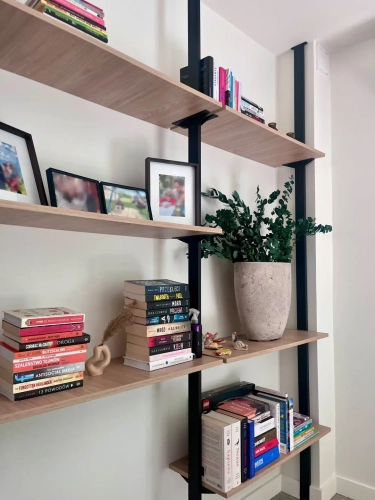
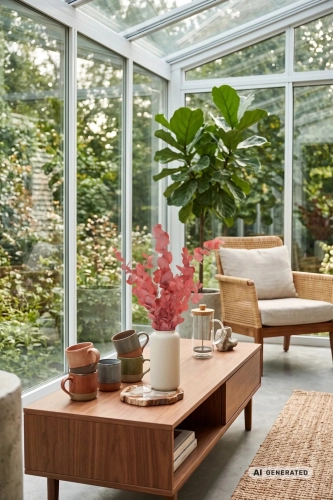
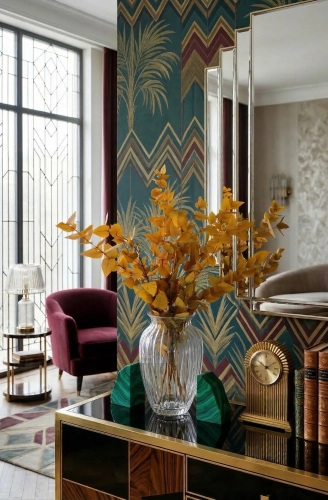
Preserved eucalyptus is perfect for interior decoration. It can be used to create bouquets that complement the interior design. It is an excellent choice for modern spaces – both modernist and rustic. It works well in interiors decorated in the Japandi style, and even glamour. But that's not all, because preserved eucalyptus is used to create trendy green walls and 3D pictures.
This plant is perfect for decorating wedding and banquet halls. It looks beautiful in compositions decorating the presidential table and guest tables. It is suitable for creating decorations suspended from the ceiling and walls. Stabilised eucalyptus twigs are also woven into wedding bouquets – both those made from cut and dried flowers. It can be used to complement bridesmaids' bouquets.
Because preserved eucalyptus is one of the most fashionable plants, it works well in bouquets for various occasions, including anniversaries, Women's Day, Mother's Day, weddings, or housewarming parties. It provides a beautiful backdrop for a variety of flowers. It can be used as a substitute for traditional greenery like asparagus, palm leaves, or ferns. Eucalyptus's dense habit allows it to fill out the arrangement beautifully and give it a defined shape.
Where to use preserved eucalyptus?
- Vase bouquets and special occasion bouquets - including wedding bouquets
- Hanging arrangements, also known as floral clouds
- Boutonnieres and corsages
- Wreaths
- Centerpieces
- Garlands
- Arrangements under a glass dome
- Green walls
- 3D images
What dried flowers should you combine preserved eucalyptus with?
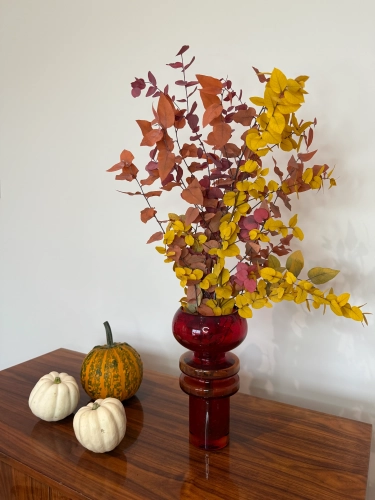
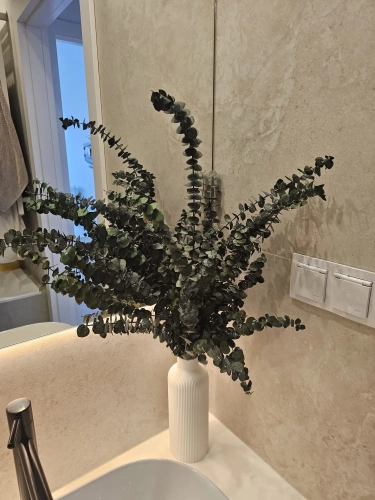
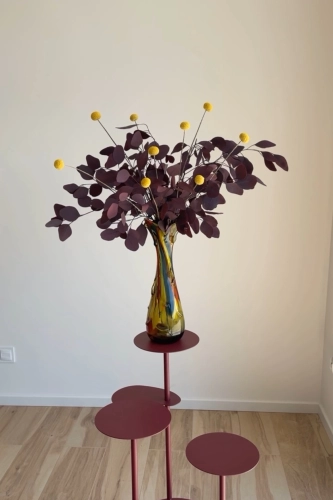
Eucalyptus's advantage is that it pairs beautifully with a variety of flowers. In the dried flower category, it creates a cult pairing with dried cotton. This combination has been considered the most fashionable in recent seasons. This doesn't mean it can't be paired with other plants - quite the opposite. It looks beautiful with protea and banksia. You can also include it in a bouquet featuring dried linum or lagurus. It creates a striking duo with small-flowered dried flowers, including gypsophila, and with spherical flowers like craspedia or gomphrena. It's worth remembering that stabilized eucalyptus looks great on its own - best placed in a ceramic vase. Green-leafed varieties are the number one choice in this category, although the unusual red ones also look phenomenal.
Preserved Eucalyptus at Blosmi
Blosmi offers preserved eucalyptus branches. The diverse shape and color of the leaves offer endless decorative possibilities. Preserved eucalyptus is perfect for wedding and special occasion bouquets. It also looks great in a vase, accompanied by cut flowers and dried flowers. Vase eucalyptus can also be used solo, providing an original decoration for modern interiors. The plant can also be used to create decorative wreaths to adorn rooms. It's also perfect for creating green walls.