Pampas grass - characteristics and appearance
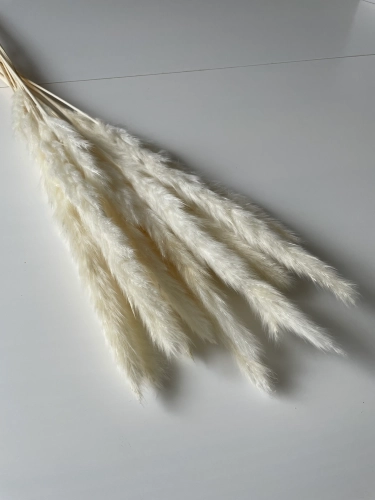
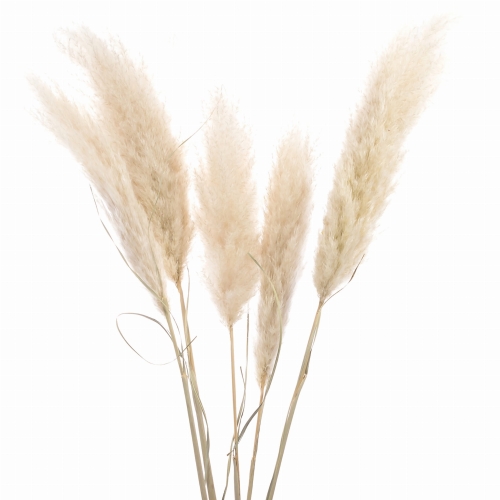
Pampas grass (Cortaderia) is a magnificent perennial plant native to South America. Its greatest asset is its spectacular, fluffy inflorescences, resembling plumes. It is these that make it so highly valued in decorations. Dried panicles retain their volume and softness, becoming a distinctive yet subtle element of interior design.
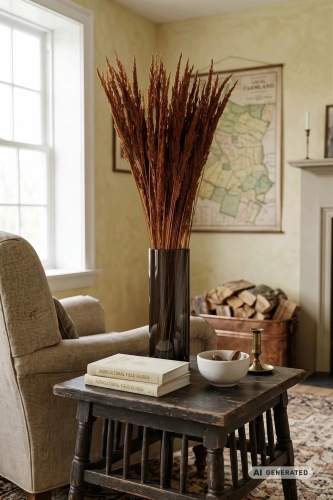
Natural pampas grass is particularly popular. Its inflorescences come in beautiful, warm shades of beige, cream and ivory, which suit any interior. It is the essence of boho style and naturalness. Alongside it, burgundy pampas grass is also gaining popularity, adding expressiveness and character to compositions. Thanks to dyeing, the palette of available colours is virtually unlimited.
Dried pampas grass is durable and does not require any care, which is its great advantage. To keep it looking impeccable for longer and prevent it from shedding, it is worth spraying its inflorescences with a special florist's spray or hairspray.
Pampas grass - origin
This extremely lush and light plant can be found in its natural habitat in the steppes of South America. Growing pampas grass is not the easiest of tasks - on the contrary, it is a very demanding plant, as evidenced by its origin. Despite this, it is one of the most popular ornamental grasses, particularly appreciated in floristry and gardening. Until recently, it was relatively rare in Polish gardens, mainly due to the difficulty of growing it. If attempts to grow pampas grass are successful, its presence in the garden is sure to make an incredible impression on every visitor.
Pampas grass is currently a hit in gardens and home décor. Pampas perennials grow up to 80 cm tall, forming lush and rich clumps that look beautiful as decorations in gardens, interiors and bouquets. The flower stems have fluffy panicles – they reach a length of up to 2 m and come in cream, brown or pink colours. During its long flowering period, pampas grass has dense but thin green leaves, from which large, fluffy "plumes" grow. The effect is amazing. Pampas grass beautifully decorates the garden in autumn.
Pampas grass in the garden - cultivation and care
Dry grasses are an excellent floristic material, but dried pampas grass looks just as beautiful before it is cut - in the garden or on the balcony, preferably in pots. In addition, grasses can be planted on rockeries, in rows, in flower beds, individually or in groups – their use is extremely varied. Thanks to the height they reach (up to 250 cm), they can effectively provide some privacy on a terrace or in a home garden.
The best time to plant or sow pampas grass is in spring, and it blooms in September and October. The plant must be carefully and meticulously cared for in order to achieve the desired effect. Pampas grass prefers sunny or partially shaded areas. The soil should not be too moist, so fertile or humus-rich soil with moderate moisture access is the best choice. Avoid clay soils and be careful not to overwater. The place where the perennial will grow should be as sheltered from the wind as possible, as the long blades are delicate and brittle. It is also important to remember that it may not survive winter and frost if it is not properly protected.
Dried pampas grass is a soft and stylish decoration
The plant looks most attractive immediately after cutting, but when the ornamental grass is dried, it looks equally impressive, offering many possibilities for creating floral decorations. Its natural beige tones warm up the interior and give it a cosy atmosphere.
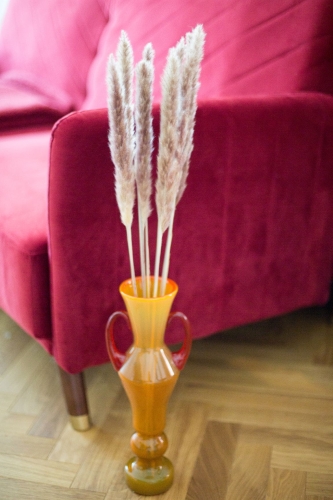
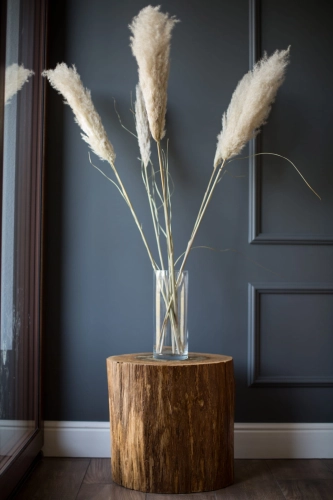
This decorative grass is ideal for vases. It can be a stylish addition to interior design, even in the form of single twigs, which create an impressive yet elegant decoration. Pampas grass also looks great as an addition to a boho-style wedding bouquet, giving it extra lightness and naturalness.
It is said that dried pampas grass is now more fashionable than monstera leaves used to be. Blosmi offers a variety of dried grasses: from very dense to visually more delicate ones. All pampas grasses are pleasant to the touch, and their colours are natural and subdued.
Subtle classics or perhaps an explosion of colour? Dried ornamental grasses
Although pampas grass is the most recognisable, there are many more interesting varieties in the world of dried ornamental grasses. Each species has a unique appearance and brings a different mood to the composition.
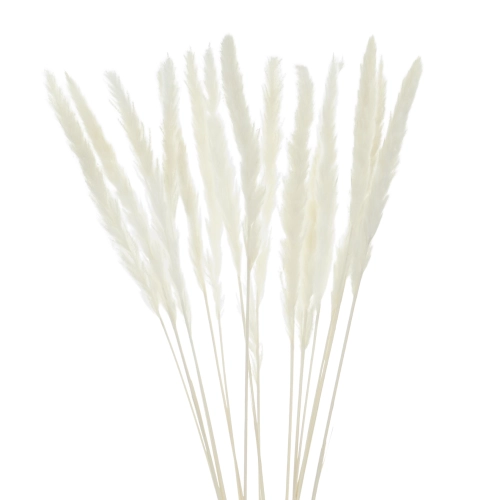
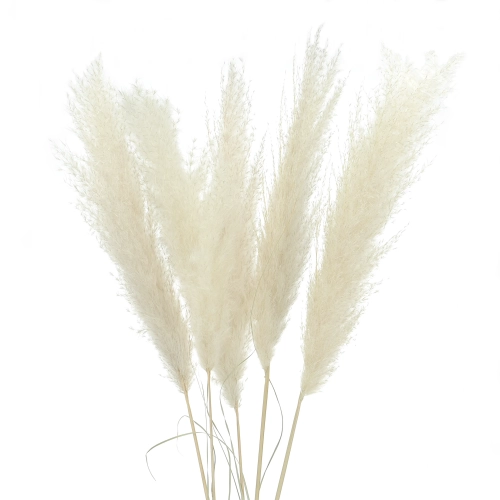
The first option is a fluffy ornamental grass with a height of 70 cm. It is very similar to classic pampas grass, but has shorter panicles. You will find it in two of the most versatile colours: pure white and natural, warm beige. It is the perfect choice if you dream of a calm, minimalist arrangement or want to emphasise the cosy boho atmosphere in your bedroom or living room. Just a few branches in a simple vase are enough to create a beautiful, timeless decoration that brings a lot of peace to your home.
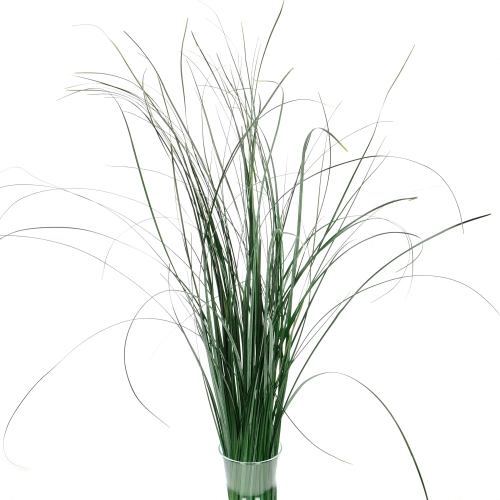
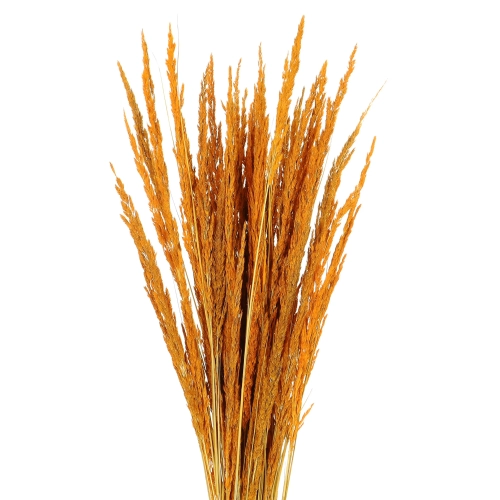
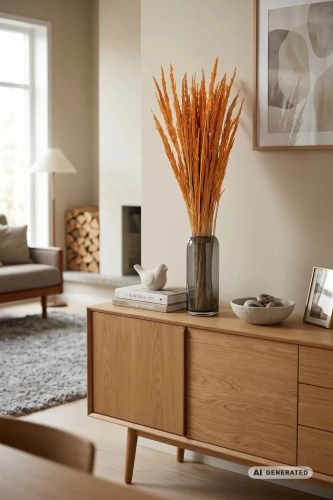
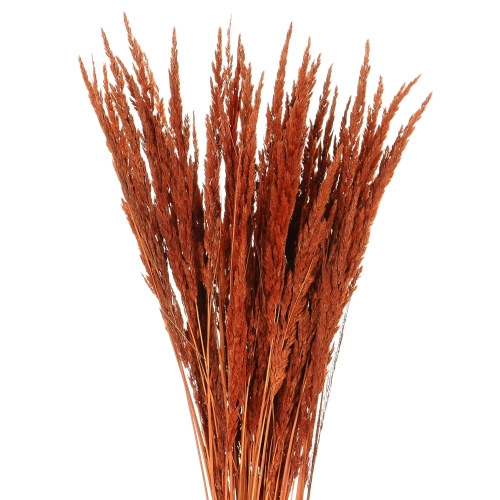
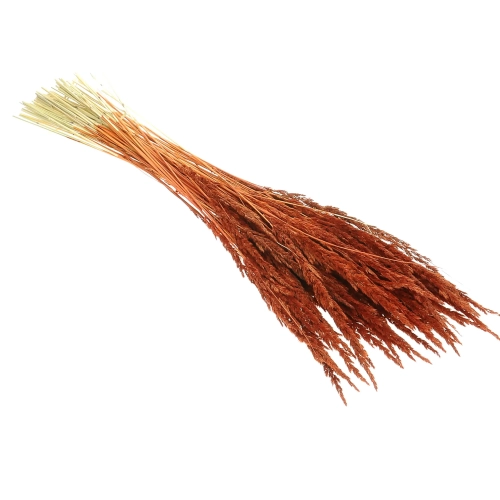
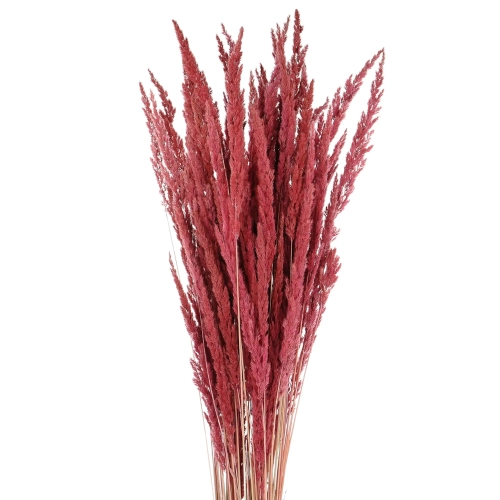
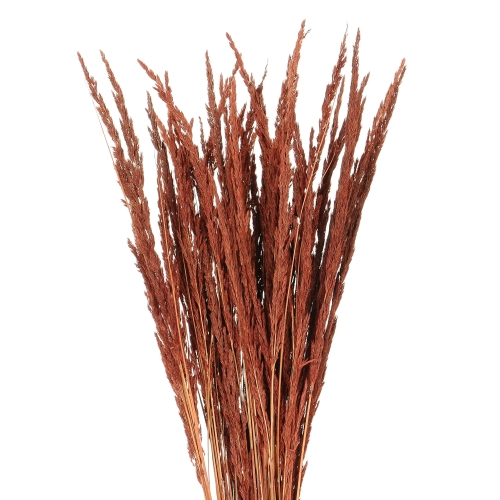
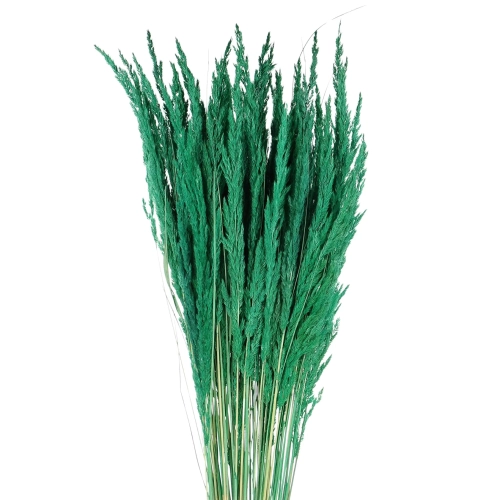
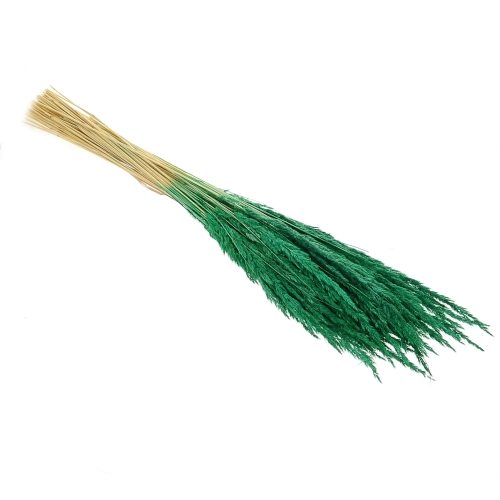
And if your interior needs a boost of energy and colour, we have a real explosion of colours for you. These are tall (70-90 cm) bouquets of dyed ornamental grasses, consisting of as many as 50 tiny, delicate twigs. A whole range of shades is available: from deep forest green, through warm browns, energetic oranges and reds, to noble burgundy. Such a bouquet in a tall vase on the floor next to the sofa or as the centrepiece of the dining room table immediately catches the eye and enlivens the whole room. The colours also work fantastically well in seasonal arrangements, e.g. red and burgundy grasses are the essence of autumn, which goes wonderfully with pumpkins and the warm light of candles.
Dried ornamental grasses in compositions and bouquets
Dried ornamental grasses are extremely versatile. They have a wide range of applications in floristry. Most often, they serve as filler and a base for bouquets. They create a neutral background that adds volume and lightness to the composition without competing with the main flowers. A few sprigs of grass can give an arrangement a professional look.
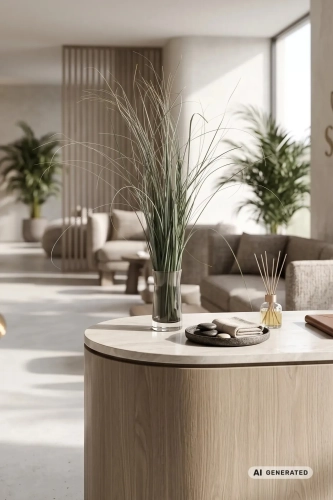
Tall grasses, such as pampas grass or dyed ornamental grass, work well on their own. Placed individually or in a small group in a tall, narrow vase, they become a modern and minimalist sculpture. This type of decoration suits Scandinavian, boho and even glamour-style interiors.
Grasses are also indispensable in creating special occasion decorations. They are an important element of photo backdrops, wedding arches and table decorations. Their fluffy inflorescences soften the arrangement and add a touch of romance.
What to combine dried ornamental grasses with?
The secret to successful compositions with grasses is skilfully combining textures and forms. The panicles of ornamental grasses contrast perfectly with the smooth, spherical inflorescences of craspedias or echinops.
The delicacy of grasses is beautifully emphasised by dried leaves, such as preserved eucalyptus or ruscus. This combination creates an interesting, multidimensional structure.
In boho-style bouquets, decorative grasses, especially those in natural and brown shades, go well with wildflowers such as helichrysum, acroclinium and linum. It is also worth adding cotton twigs to emphasise the natural character of the composition.
In modern arrangements, grasses can be combined with exotic flowers, such as protea, or with simple, geometric forms, such as palm leaves. Regardless of style, dried ornamental grasses are an excellent choice for those who appreciate natural, durable and impressive decorations.
Remember that dried pampas grass and ornamental grasses are quite tall compared to other dried plants. They range in height from 70 to 115 cm, so when combining them with other dried plants, it will usually be necessary to trim the grasses. Don't worry - just use sharp scissors or pruning shears.